Stöbern
Gelegenheiten
Kunstgalerien
Kunstdienstleister
Künstler-Website
Kuratierte Kunst
Tipps der Redaktion
Virtuelle Sammlungen
Beliebteste Werke
Hilfe / FAQ
AGB
Was ist artists24.net
Meine Favoriten
 english
 español
 francais
 russkii
Datenschutz
Presseinformationen
Impressum
| Featured Artists der artists24 Redaktion (mehr Informationen) Weitere kuratierte Künstler finden Sie im Archiv. |
|
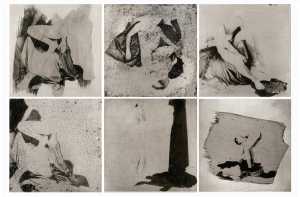
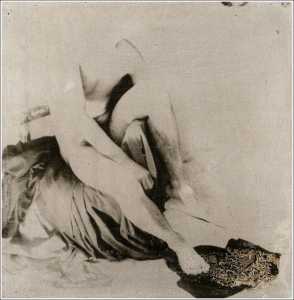
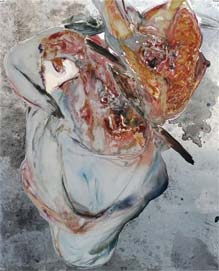
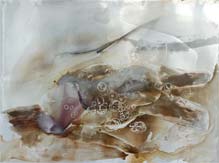
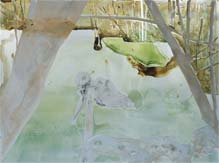
| Jaap de Vries aus den Niederlanden *1959, lebt und arbeitet in Breda, Niederlande Jaap de Vries schafft mit seinen Aquarellen beunruhige Szenerien, die trotzdem in den Bann ziehen. In neuen Arbeiten scheint alles unter Wasser zu sein, nur schemenhaft nimmt man Konturen wahr, die sich zu nicht klar bezeichneten Körpern verdichten. Die Formen lösen sich auf, wirken verstümmelt. Zugleich durchzieht eine morbide Schönheit die Bildwelten de Vries. Bei genauerer Betrachtung fällt auf, dass sich seine Malereien als Statements über die Welt lesen lassen. Denn die scheinbar harmlosen Motive wie Fische, Landschaften, Akte, Frauenporträts der Kunstgeschichte oder Raumsituationen wirken wie Tatorte. De Vries bezeichnet sich selbst als überzeugten anti-politischen Künstler. Nichtsdestoweniger schreibt er in einem Kommentar zu seinen Malereien, was für ihn Politik ausmacht: nämlich die Art und Weise, wie Körper mittels Angst eingefangen und manipuliert werden. Indem er Körper aber in ihrer Verletztheit in Szene setzt, zeigt er genau diejenigen unbequemen Aspekte, die von einer bigotten Politik weggeheuchelt werden. So gesehen ist Jaap de Vries durchaus ein hochpolitischer Künstler.
|
   Künstlerinfo und weitere Werke |
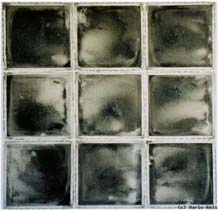
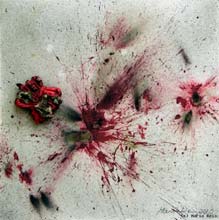
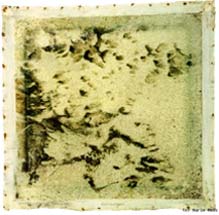
| Mario Reis aus Deutschland *1953, lebt und arbeitet in Düsseldorf, Deutschland Es ist einfach faszinierend, wie Mario Reis das Genre der Landschaftsmalerei in die Zeitgenossenschaft umgesetzt hat. Er nutzt die gestalterischen Kräfte der Natur selbst, denen großen gestalterischen Freiraum zubilligt. Besonders beeindruckend sind seine Naturaquarelle (Nature Water Colors), bei denen sich Flüsse der ganzen Welt selbst portraitieren. Reis installiert dazu mit Leinwand bespannte Rahmen in ausgewählten Gewässern, der jeweilige Fluss bildet sich dann in einem ausgeklügelten Verfahren ganz authentisch selber ab. So entstehen sensible bis hin zu dramatischen abstrakte und doch völlig realistisch-gegenständliche Malereien, je nach Charakter des Flusses. Die eigendynamischen Selbstportraits bestechen durch ihre Poesie und ihren Farbenreichtum, der von gelb, orange, rot, grün über braun bis hin schwarz reicht. Andere Werkgruppen sind die Blindzeichnungen, bei denen Reis mit verbundenen Augen zeichnet, die Zugspuren, bei denen die Spuren und verformenden Kräfte tatsächlich fahrender Züge ästhetisch umgesetzt werden. Humorvoll dagegen ist seine Reihe der Feuerwerkskörper, bei denen er die explosive Kraft narrativ einbindet, etwa bei den Titeln zu Knall-Frosch-Arbeiten, die er beispielsweise „Und ich dachte, Du wärst ein Prinz“ nennt.
|
   Künstlerinfo und weitere Werke |
| Stefan Fransson
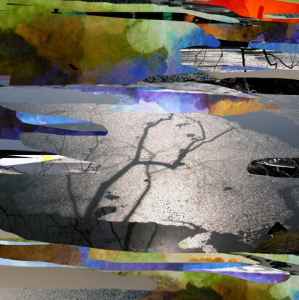
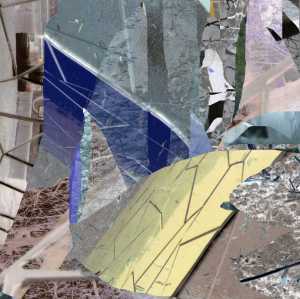
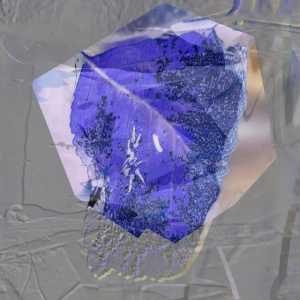
aus Schweden *1955, lebt und arbeitet in Stockholm, Schweden Die artifiziellen Bildwelten von Stefan Fransson erwecken den Anschein, als ob sie mehr als nur die bekannten Dimensionen von Zeit und Raum beinhalteten. Sie zeigen eine Vielschichtigkeit auf, die jenseits der alltäglichen Seherfahrungen liegt. Eine unbestimmte Weite durchzieht diese Welten, die in einer mit unseren Sinnen kaum fassbaren Unendlichkeit zu liegen scheinen. Wo Anfang und Ende zu finden wären, ist nicht auszumachen. Es sind komplexe Gefüge, in denen Fransson collageartig zahllose bildhafte Fragmente über- und unter einander lagert, die sich eigenartig diaphan durchdringen. Es ist fast so, als würden diese Welten schwerelos sein, schweben. |
|
| Franciso Navarrete Sitja
aus Chile *1986, lebt und arbeitet in Santiago de Chile, Chile In seinen Fotografien bewegt sich Franciso Navarrete Sitja zwischen Malerei, Zeichnung, Fotografie und digitalen Bildern. Dabei zitiert er klassische Bildkompositionen ebenso wie die klassischen Genres des Selbstportraits und des Aktes wie auch kunstgeschichtliche Motive. Sitja beharrt mit seinen Handabzügen auf Aluminium jedoch auf Einmaligkeit, wenn er Emulsion wie Farbe nutzt und oder seine Fotografien von Hand verpixelt, was keine Reproduktion möglich macht, obwohl zum größten Teil mechanische Verfahren verwendet werden. Immer wieder lotet Sitja die Grenzen der verschiedenen Gattungen aus, indem die Verschiebung der Zeichnung und Malerei über Fotografie bis hin zu digitalen Herstellungsverfahren visualisiert. Hierbei rückt er Details in den Vordergrund, blendet Elemente weg und lässt die Emulsion bröckeln, als ob sie Farbe sei, die im Laufe der Zeit verwitterte. Bildausschnitte erinnern an Bekanntes, ohne jedoch konkret zu werden. Sitjas Fotografien changieren dabei zwischen Zeigen und Verbergen, was den eigentümlichen Reiz dieser Bilder ausmacht. Es scheint fast so, als ob sie in in poetischen Zwischenwelten verharrten. |
|
| Marcus Günther
aus Deutschland *1967, lebt und arbeitet Düsseldorf, Deutschland In den Malereien von Marcus Günther scheint die bekannte Welt aus den Angeln geraten zu sein. Eine Absurdität jagt die andere. Schon fast surreal begegnet uns Bekanntes vermischt mit albtraumhaften Sehnsüchten der Menschen, die er uns ganz nahe rückt. Marcus Günther führt dazu selber aus: „Der fantastische Irrglaube an eine bessere Welt durch das Einschreiten einer höheren Macht gibt uns die Hoffnung, die wir scheinbar brauchen. Ich mache mich auf die Suche nach dem Verstand, der in unserer Zeit verloren gegangen ist.“ So sucht er offensichtlich den Verstand in den Bombengürteln der Selbstmordattentäter, in päpstlichen Beschwörungen, Vergewaltigungsszenen und Fettleibern mit ekelig milchigen, schwammigen Gesichtern. Immer wieder weisen erigierte Penissen zum Himmel. Im Himmel selbst fliegen eigenartige Objekte mit dezidiertem Eigenleben. Es sind von ihm entwickelte Sinnkörper, die Günthers Bildwelten bevölkern und durchziehen. Diese künstlerischen Organismen erinnern jedoch auffällig an fliegende Ärsche, die sich mehr und mehr in seinen Welten verbreiten. Bezeichnender kann ein Statement zu unserer derzeitigen Welt kaum sein. |
|
| Alexandre G. Vilas Boas
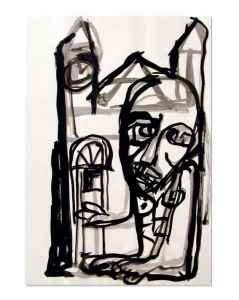
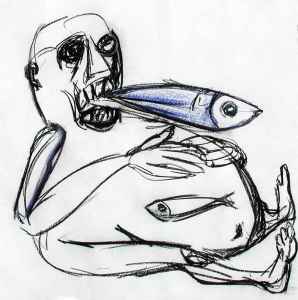
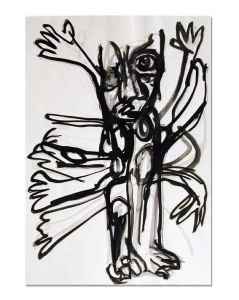
aus Brasilien *1973, lebt und arbeitet in Guarulhos, Brasilien In seinen kräftigen Zeichnungen setzt sich Alexandre Gomes Vilas Boas überzeugend kritisch mit der katholisch orthodoxen Kirche auseinander. Mit erstaunlich expressivem Strich sehen wir biblische Szenen, die in andere Sinnzusammenhänge überführt werden. So etwa in der S/W-Zeichnung Luoco da Matriz II, in der es so aussieht als würde Jesus Christus in Jerusalem auf dem Esel einreiten. Der Titel Der Verrückte von Matriz verweist jedoch eindeutig auf die größte und wichtigste katholische Kirche in Uruguay, in der der Staatsgründer Artigas getauft wurde. Eine andere Zeichnung heißt Seelen zu vermieten und zeigt einen Mann, dem wir in den Leib schauen können, wo mehrere Seelen beheimatet sind. In einer weiteren speit ein dickleibiger Mann einen Fisch aus. Diese Szene erinnert sofort an die ersten Jünger und Nachfolger Jesu, die Apostel. Sie waren Fischer vom See Genezareth und Jesus machte sie zu Menschenfischern. Ebenso lässt diese Zeichnung die Geschichte von Jona im Alten Testament lebendig werden: drei Tage und drei Nächte musste der ungehorsame Prophet im Bauch des Fisches bleiben, bevor er ausgespuckt wurde. Der Fisch ist auch Zeichen der Abendmahlsgemeinschaft. Jesus speiste Fünftausend mit Brot und Fisch. Und der Fisch steht für Jesus selbst: griech. ichthys=Fisch, aber auch Jesus Christus Theos/Gott, Uios/Sohn, Soter/Retter. Zynisch betitelt Vilas Boas diese Zeichnung mit Experten und schafft damit unmittelbar politische Bezüge in die Gegenwart. Derart gibt sich jede seiner zunächst so einfach und harmlos erscheinenden Zeichnungen bei näherer Betrachtung als komplexes Sinngefüge zu erkennen, in denen Vilas Boas kenntnisreich unsere Kulturgeschichte, unseren Glauben wie auch die Gegenwart kritisch beleuchtet. |
|
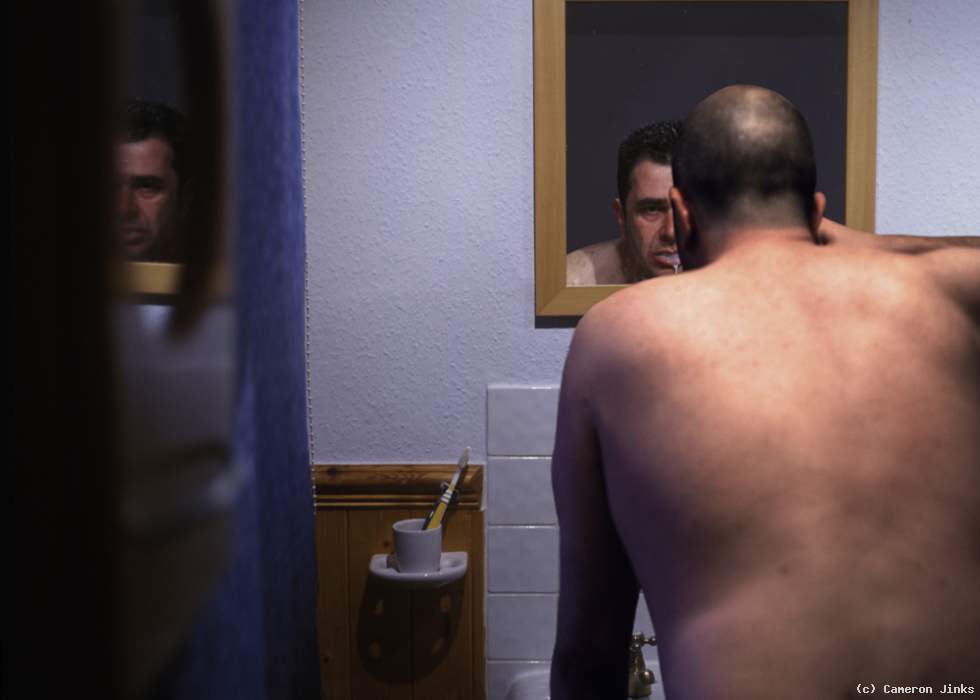
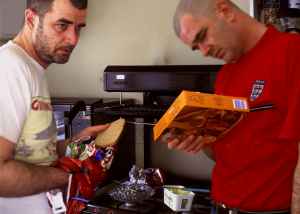
| Cameron Jinks aus Großbritannien *1963, lebt und arbeitet in Derby, Großbritannien In seiner Serie Work in Progress nimmt Cameron Jinks die typische Männerwelt aufs Korn. Alle nur erdenklichen Vorurteile und Gemeinplätze werden von ihm in Szene gesetzt. Allein der Titel der Serie steht schon symptomatisch für das Thema. Das reicht vom morgendlichen Blick in den Spiegel über Porno, Putzen, das Geheimnis einer Mikrowelle, Handwerk und handfester Streit bis hin zum bierträchtigen Fußballgucken auf dem Sofa oder dem einsamen Gespräch mit der Whiskey-Flasche. Angeregt durch das mittlerweile weit verbreitete Reality T.V. bewegt sich Cameron Jinks künstlerisch in der Tradition des Tableaus, wobei er sich selbst jeweils als Model nimmt, sein Aussehen über Jahre hinweg immer wieder verändert und die Aufnahmen dann als Szenen zusammenfügt. Was zunächst eher als ironische Dokumentation von Klischees verstanden werden könnte, erweist sich jedoch als ein kritischer Blick auf unsere voyeuristische, ferngesteuerte Gesellschaft. Im Mittelpunkt der Betrachtung von Cameron Jinks stehen weniger die gezeigten Stereotypen von Männerfreundschaften als vielmehr das soziale Miteinander sowie die Frage nach persönlicher Identität. Angesichts der großen Akzeptanz des suggestiven Realitiy T.V. scheint sich die Auffassung auszubreiten, dass eine Änderung des eigenen Lebens schlicht durch die Kopie des Gegenübers, des Anderen möglich sei, was unweigerlich zu einer redundanten Identität und damit zum Verlust von Individualität führt. |
|
Weitere kuratierte Künstler finden Sie im Archiv.
|
|
|
Featured Artists der artists.de Redaktion artists.de features wählt regelmäßig einen Künstler aus, dessen Werk wir für bemerkenswert halten. Dieser Künstler wird hier vorgestellt. Hierbei werden die Entscheidungen ausschließlich und unabhängig durch die Redaktion getroffen. Vorschläge können leider aufgrund der großen Anzahl nicht berücksichtigt werden. Auswahlverfahren*: Kunst ist ein offener und vielfältiger Bereich und die Vorlieben sind durchaus verschieden. Dennoch gibt es auch in der Kunst Qualitätsbegriffe. Diese setzen sich aus verschiedenen Faktoren zusammen, die von Kunstkritik, -Markt und -Geschichte definiert werden. Die Offensichtlichkeit, mit der Schwankungen in der Bewertung von Kunst auftreten, zeigt, dass Qualität eine Vereinbarung der Gesellschaft ist, die sich historisch wandelt. Qualität ist also keine fest stehende Größe und zudem relativ. Es ist kaum noch ketzerisch zu behaupten, dass gegenwärtig zu allererst der Markt darüber entscheidet, was als Kunst gilt oder nicht und vor allen Dingen, was als gute Kunst gilt. Dabei wird der ökonomische Wert oftmals mit dem ästhetischen gleichgesetzt. Die Qualität eines Kunstwerkes scheint sich zu allererst über den Preis zu definieren. Dabei gleicht der Kunstmarkt einem Warenterminmarkt für Anlageobjekte mit größtmöglicher Renditeerwartung. Davon nehmen wir als offene Plattform für Kunst Abstand. Kriterien des Marktes sollen bei uns nicht berücksichtigt werden. Bei uns stehen die Kunstwerke im Vordergrund. Für uns zählen bei der Auswahl ausschließlich Aspekte der Kunstkritik und –Geschichte. In diesem Sinne wählt die Redaktion von artists.de features jede Woche einen Künstler aus, dessen Werk wir würdigen möchten. Weitere kuratierte Künstler finden Sie im Archiv. |
|